.avif)
When a Job Is Losing Money

Tristan Wilson
I once helped run a bridge job that lost money every single day, start to finish, for a year and a half.
We had it coming. We'd just come off a home run - one of those jobs where everything broke our way and we quietly started believing that was us instead of the job. So we walked onto the bridge with our chests out. The bid was bad. The relationship with the owner was worse. Our PM was new to the company and I was the number two, which meant I had enough authority to watch it happen and not enough to stop it entirely.
I used to get all tied up in a knot about that job. Sunday nights were the worst - you could feel Monday coming in your chest before it got anywhere near you. I'd open the cost report the way you check a cut to see if it's still bleeding. Eighteen months of driving in at six knowing that by the time I drove out, the job would be worth less than when I got there. You go home and you're not really home.
Here's what I'd tell my younger self, sitting in that truck: it ended up being okay.
Not the job. The job lost money on the last day. Me. I ended up being okay.
There's a phrase for that in the field and I didn't invent it. AFGO. Another F'ing Growth Opportunity. I've come to think the guys who came up with it worked out something that took philosophers a couple thousand years and a lot more words.
Anybody can run a good job. Put a reasonable person on a job with a fat bid, decent plans, and a crew that's been together three years, and it'll make money in spite of them. Good jobs are self-cleaning. They hide bad habits, weak systems, and managers who've never actually had to manage anything - I know, because for about eight months I was one of them and had no idea.
The tough job is the best management training our industry has. And we have no curriculum for it. We've got systems for estimating, for safety, for quality. For the one experience that actually makes our best operations people, we've got nothing but the hope that somebody survives it.
So here's what I got out of mine.
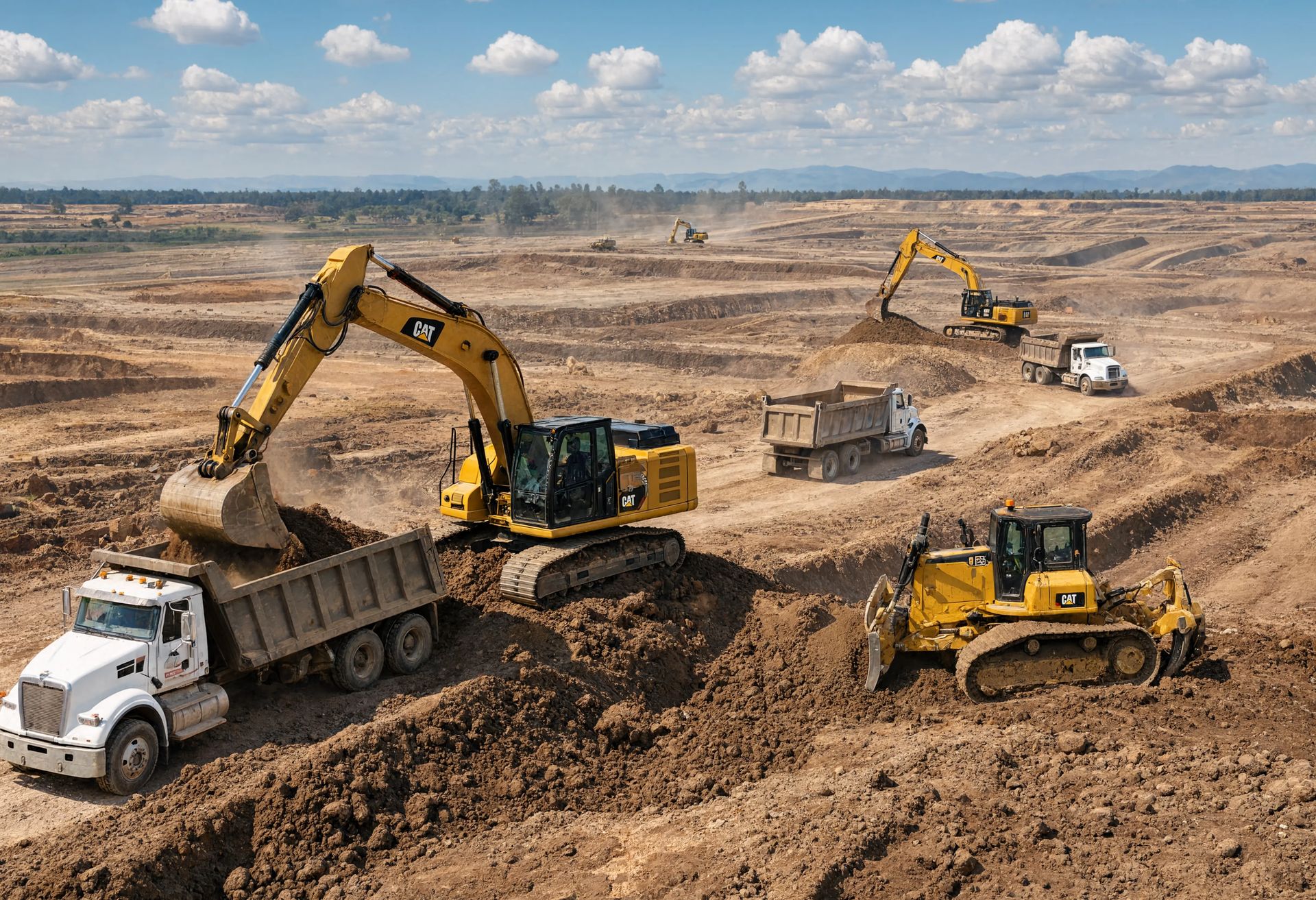
The knot is not information
The knot doesn't help. It feels like caring - it's actually just cost you're paying twice.
Jobs go bad for four or five reasons and only two of them are yours. Bad circumstances aren't yours. Bad luck isn't. The bid is already priced, and no amount of lying awake reprices it. What's yours is what you believe, what you say, and whether you're honest. That's it. That's the whole list.
The one that got us was the fifth reason: we thought we had it in the bag. We didn't prep like we needed to prep, because we'd just won and winning had made us too confident. Nobody ever puts arrogance in the post-mortem, and it's in about half of them.
There's a sixth I've seen since that's worse than a bad bid, and it's the one you can actually fix today. People thinking it's a bad bid. The moment a crew decides the job was bought wrong, it is bought wrong, because now nobody's trying. Every bad hour gets filed under "well, it's a bad bid" instead of "we can fix that." I've watched jobs bid perfectly fine lose real money because everybody agreed in advance that they would.
What actually works
Don't show up hot. Everybody already knows the job's losing money - the crew, the subs, the inspector, the guy on the roller. You walking on mad adds zero information and a whole lot of tension, and tense crews are slow crews. Watch Brando as Don Corleone sometime. He moves slow, talks slow, asks a few questions, and lands what he wants without volume. That's the posture. Sometimes the right move is to joke around a little and let people breathe - which, and I mean this, is the same instinct that produced AFGO. It isn't a morale trick, it's the actual mechanism, and a crew that can still laugh is a crew that's still working.
Go look at the work. Your presence is the best thing you can give a job that's losing money. Not a plan, not a meeting - you, out there, regularly, paying attention. I don't care about dashboards. I bring two things: the current cost report, so I know where the money is, and the estimate, so I know what it was supposed to be. Those tell you the score and nothing about why. Why only exists outdoors. And don't take anybody's word for what's happening out there, including people you trust completely - not because they'd lie, but because they're inside it, and inside it everything looks normal. It doesn't exist until I've seen it with my own two eyes.
Ask why until it's annoying. Why do we wait on that? Why does that truck sit for forty minutes? Half of what slows a job down is a requirement no living person can defend, surviving because it's easier to comply than to ask. When a crew is struggling it's almost never that they quit trying - something's in their way. One excavator two crews are sharing. A haul road adding nine minutes a cycle. A foreman handed three different priorities by three different people this week. Find that one thing, take it out, and production changes without anybody working harder. And get to the facts with no emotion attached, because the second people smell judgment they stop telling you things.
Five joints of pipe. Not twelve. Five. A great superintendent keyed me in on this secret - everybody wants to knock it out of the park on day one, and day one everybody's still finding the gate. Get on first base. If the crew hits five, something big happens: for the first time in weeks they did what they said they'd do. Tomorrow you go for six. Then make it a system - every crew, every day, a number tied back to the estimate, and everybody knows what it costs. A crew told "get after it today" has been handed nothing. A crew told "we need 180 feet, that's what pays" has been handed a job.
Write it down and send it. End every visit with an email that day. What you saw, what's working, what needs work, what we agreed to and who owns it. Good first, and make it real. Send it to the whole team, not just up your chain - an email that only goes to your boss is a report card, and people can smell the difference in a week. And never put emotion in writing. A frustrated sentence on a losing job gets read fifteen times by nine people and gets worse every time.
Sometimes you just finish
You can do all of that and the job can still lose money. Ours did, right up to the last day.
That's where most people actually break, and it isn't the losing that does it - it's the hoping. Spend a year waiting for the job to turn into a different job and every morning is a fresh disappointment, until you quit going out to look at the work because looking hurts.
So change what you're playing for. If the job can't make money it can still be finished right. Safe. Work you'd put your name on. Schedule protected, relationships that survive closeout, a crew that'd come work for you again. Those are real wins and they're entirely yours - count them out loud, because a crew with no wins available will start inventing losses.
And say the true thing: this one's hard, it's not going how we wanted, and we're going to finish it right anyway. They already know the first half. Hearing you say it is what lets them believe the second half.
Then AFGO it and grind. Some jobs you don't win. You finish.
The reel
We finished that bridge. It lost money for eighteen straight months, and I learned more in that year and a half than in every good job I ever ran put together. I've never once since had to guess what a job looks like when it's going wrong. I know the smell of it.
And notice what happens when anybody in this business tells a war story. It's never the fat job that ran itself. It’s the summer everything flooded, the job everybody swore was unbuildable. Your career highlight reel is almost entirely made of things that went wrong and what you did about them.
So if you're in one right now, at six in the morning, tied up in a knot: you're going to be okay. Better than okay. Take notes, then teach it to the next person, because nobody else is going to. Nobody puts the losing job on the resume. It's the one that makes you.

.avif)

.svg)