.avif)
How To Run A Weekly Progress Meeting

Tristan Wilson
We got awarded a job once where we had burned the district engineer on the prior project. He was ready for a fight.
Before we mobilized, I sat down with him. Said something close to: "Look — we know last time wasn't our best work. We're committed to doing better on this one. We'd like to meet every week to review progress and issues together. Sound good?”
He agreed.
That job turned into a home run. Not because we didn't have problems. We had plenty. But we worked through them as a team with the same people every week. By the time we closed out, he'd have told anyone in his district we were a contractor worth working with.
The weekly progress meeting is the single highest-leverage client time you have as prime on a public or private job.
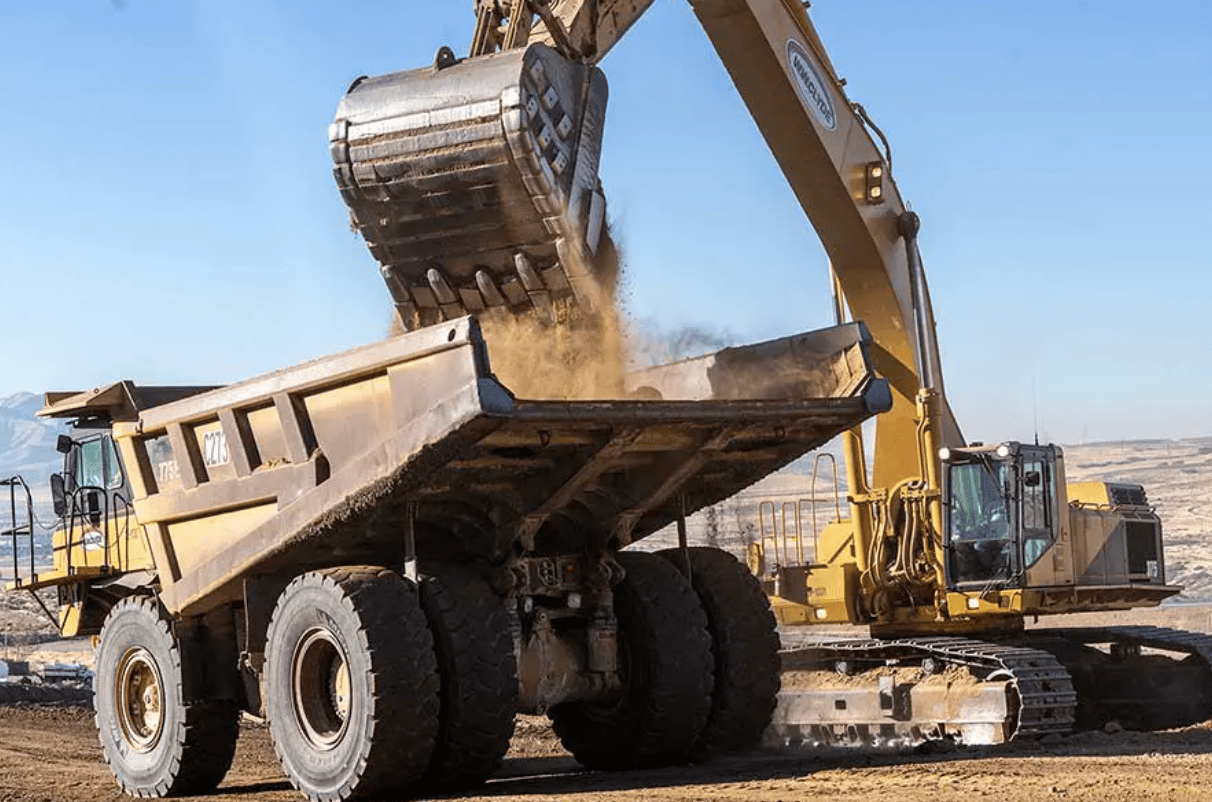
Photo Credit: WW Clyde
I've had owner's reps push back. "We don't need to meet every week. Just call if something comes up."
I've disagreed — politely — and put it on the calendar anyway. Every time, I was glad I did.
Here's how to run a great one.
Come prepared. Every time.
The fastest way to lose the owner's respect is to show up empty-handed.
When we ran public jobs at Barriere, every project had the same one-page weekly minutes template if they didn’t already have one. It covered:
- Safety topic
- Schedule & progress (last week, next two weeks, calendar days per contract / elapsed / remaining)
- QA/QC items
- Submittal log
- RFI log (closed, open, forthcoming)
- Change order log
- Estimates billed, approved, and unpaid
- Comments, questions, concerns
- Action items with an owner and a due date on every one
Send it to the owner 24 hours before the meeting. Whether they read it ahead of time doesn't matter — what matters is you were ready.
Then huddle with your team before you start the meeting. Walk through anything sensitive: the change order they pushed back on, a near-miss yesterday, a slip on the next milestone. You don't want your field engineer surprised in front of the engineer of record.
Let your team run their sections.
This is the part most PMs get wrong.
The progress meeting is not your stage. It's your team's stage. Your super's stage. Your safety lead's stage. They own the work. Let them talk about it.
As PM, you facilitate. You keep the meeting on track. You fill gaps. But when it's time to walk through the RFI log, your field engineer runs it. When it's time to talk production, your super runs it.
Two reasons this matters:
- Development. People grow by doing, not by watching you do.
- Credibility. When the owner sees your team owning their scope, they trust your whole operation more than if you were answering every question yourself.
And ask more questions than you answer. The best PMs in that room are asking the engineer what he's worried about — not lecturing him about what you're worried about.
Photo Credit: Bay
Talk about the hard stuff.
Every meeting should cover:
- Problems and concerns, yours and theirs
- Schedule slips and the recovery plan
- Subcontractor issues (your subs are a representation of you — own them)
- Admin mistakes. Yes, own those too. It makes you human.
- Payment. How much is billed, how much is paid, how much is stuck. It's not rude to bring up. It's business. If they're sitting on an estimate, ask why.
One rule: no surprises in the meeting itself.
If something big is coming — a major change order, a delay claim, a QA failure — give the engineer or owner's rep a heads-up the day before. A five-minute phone call. You're not asking permission. You're keeping them informed so they're not hearing it cold in front of their team.
People hate surprises more than they hate bad news. Give them a chance to prepare.
Own your stuff… When your team screws up, own it and fix it.
Make it "we."
Watch your pronouns.
"They" and "I" poison these meetings. "We" fixes them.
"We had a tough day on paving Monday" — not "the crew had a tough day."
"We need to get aligned on the U-turn detail" — not "I need an answer from you."
And shout people out. Give credit every time you can. If the owner’s rep or engineer caught an error in the plans that saved you money, say so out loud. If the inspector went the extra mile on a late pour, name him. If your field engineer worked a weekend to get submittals through, make sure the owner hears it.
Early in my career I spent time on a Fluor job. Every one of their meetings ended the same way — a deliberate highlight of what was going well. Safety wins. Schedule gains. Good team catches. You left those meetings feeling like you were part of something, not like you'd been beaten up for an hour.
End on a high note.
Keep it tight.
Progress meetings shouldn't run long.
For most jobs, 30 to 45 minutes. For smaller ones, 20 minutes max. If you're going longer than that, you're either unprepared or not running the room.
Start on time. Follow the agenda. End when you're done.
And keep your own minutes — even if the owner doesn't. Some engineers won't want a formal written record. Fine. You keep one anyway and email it out after the meeting. Not to box them in. To protect the record for both sides. When the job gets hard and memory gets short, those minutes are what you'll reach for.
The bottom line
You don't have to run every progress meeting yourself. A good super or senior field engineer can own it on smaller jobs, and should. But the discipline — prepared, tight, team-led, we-focused, honest about the hard stuff — has to come from the top.
When you set that standard, three things happen:
- The job runs better.
- Your team grows faster.
- The owner trusts you more.
And that trust is what wins the next job.
Do this week
If you have an active job without a standing progress meeting, put one on the calendar. If the owner pushes back, tell them: "This protects both of us. An half hour a week saves us weeks of frustration later."
Then show up prepared. Let your team run it. End on a high note.
Thanks for reading this week!

.avif)

.svg)